
Built for service-area operators
Mobile Auto Glass Marketing for Repair and Replacement Calls
Mobile auto glass marketing wins or loses in the first hour after the crack. GMScalez builds the search system that catches that moment: repair, replacement, and calibration pages, an active Google profile, and honest tracking, for $300 a month flat with no contract and setup from $1,000 to $1,500.
Get your free growth auditWhy mobile auto glass companies are different on Google
Auto glass has the most compressed buying window in local services. A rock hits a windshield on the morning commute and the search happens from the next parking lot: is it repairable, is it safe to drive, will insurance cover it, who can come to me today. The customer does not know which service they need yet. The business that answers those questions clearly, from the map pack down to the page, gets the call, and the second hour is usually too late.
Insurance changes the economics of the whole niche. Many states and comprehensive policies make chip repair free to the driver, and replacement often involves a claim. That means your real competitor for many jobs is not another local shop; it is the insurer-preferred national chain the claims line steers people toward. The counter is content that answers the insurance questions honestly, states that customers can choose their glass shop, and makes the paperwork sound as easy as you actually make it.
A mobile glass operator serves a territory, not a counter, and Google needs that told correctly. The verified address stays hidden but still anchors Maps visibility, service areas must reflect where you actually go, and city pages need real local substance rather than a find-and-replace city name. Glass also carries a precision burden most trades avoid: a repair page that implies every crack is repairable, or a calibration claim that outruns your equipment, produces wasted calls and angry reviews. Accurate pages filter as much as they attract.
ADAS calibration is quietly reshaping the niche. Modern windshields carry cameras that need recalibration after replacement, more drivers are learning to search for it, and many local competitors cannot do it or do not mention it. If you calibrate, saying so precisely is one of the strongest differentiators available in glass marketing right now.
Urgency plus insurance is a different intent than either alone
A pure emergency search rewards presence: map pack position, reviews, a tap-to-call button. A pure research search rewards content depth. Glass sits in between: urgent enough that the customer decides today, complicated enough that they have questions first. The winning structure answers the top three questions on the page the search lands on, then puts the phone number in reach before the customer scrolls.
This is why the engine builds glass sites around intent pairs: repair versus replacement, cash versus claim, drive-in never as an assumption. Each pair gets a page that resolves the fork honestly and routes to the same place: a call or text to you.
What customers search before they call
Windshield searches carry strong commercial intent, but the best query depends on damage type, urgency, insurance situation, and city. Clear pages route each search to a call or quote instead of losing the customer to a national call center.
| Search intent | What the customer needs | The asset that wins it |
|---|---|---|
| windshield repair near me | Is this chip fixable, today, here | Repair service page + profile |
| mobile windshield replacement | On-site replacement scheduled fast | Replacement page + city relevance |
| windshield replacement insurance | Will the claim cover this | Insurance explainer page |
| ADAS calibration near me | Post-replacement safety compliance | Accurate calibration page |
The engine’s receipts, from Google’s own panels
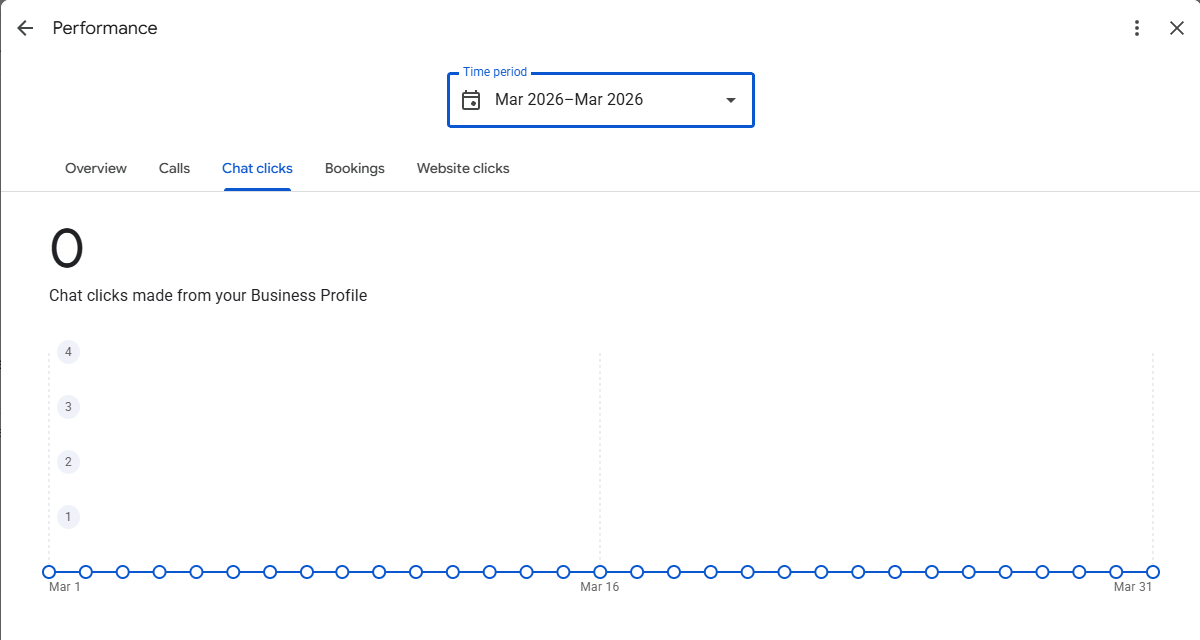
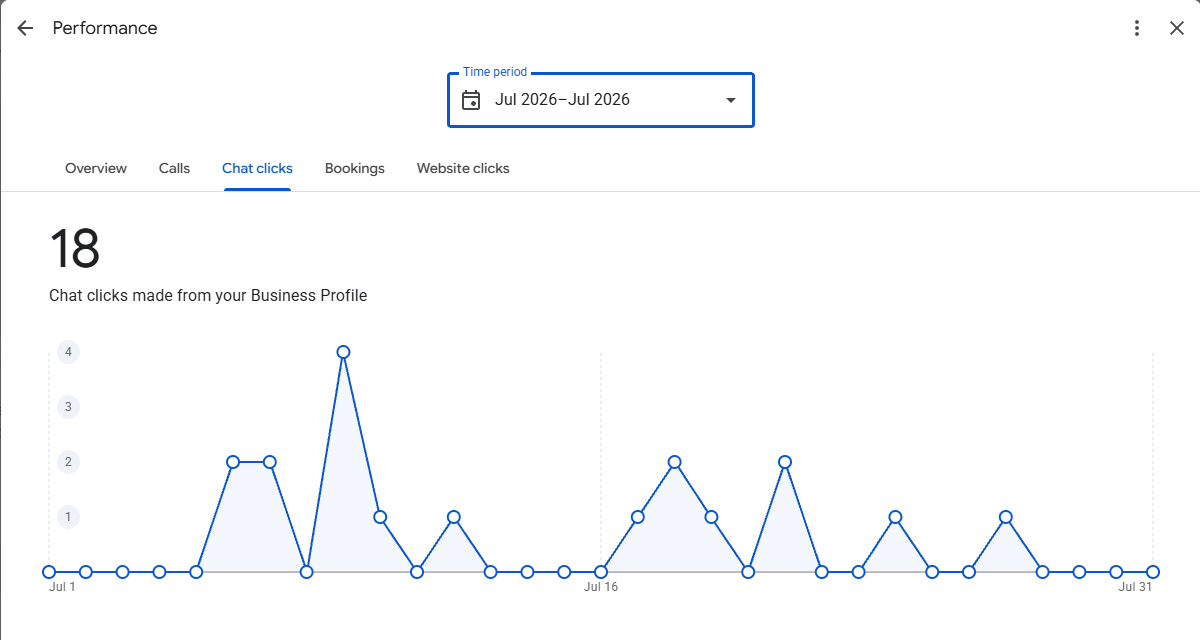
GMScalez publishes its proof from client dashboards, and the deepest history comes from the mobile mechanic clients the engine was built on. These are Google Business Profile message panels for a Minnesota mobile mechanic, March versus July: customers choosing to text the business instead of calling. The same profile-and-pages machinery gets tuned for glass.
Are auto glass leads worth paying for forever?
A purchased glass lead can cost $5 to $100 and reach several shops at once, so you pay to race competitors to a customer who never chose you. The platform keeps the customer relationship and sends you the invoice either way.
At $300 per month flat, the GMScalez system builds pages, profile strength, and review equity that stay yours. The customer who finds your listing chose your business, not the lowest bidder in a shared inbox.
| Buying auto glass leads | Owning your rankings | |
|---|---|---|
| Cost | $5 to $100 per lead, forever | $300 per month, flat |
| Exclusivity | Shared with competing shops | The customer called you directly |
| Insurance jobs | Steered by the claims line | Won by your own insurance page |
| What you keep | Nothing when you stop paying | Site, profile, reviews, rankings |
What $300 per month covers for mobile auto glass companies
The Full Package maintains the profile and site as one system: publishing on schedule, monitoring search terms and map visibility nightly, and reporting monthly from Google Search Console and Business Profile data, in plain language.
For glass that means the repair, replacement, insurance, and calibration pages stay accurate, the profile stays visibly active, and you can see exactly which searches turned into calls, texts, and quote requests.
Auto glass marketing questions, answered straight
Own the searches that happen in the first hour after damage: windshield repair near me, mobile windshield replacement, and your cities plus service. That takes a correctly configured service area profile, separate repair and replacement pages, and a call path one tap away. Most local glass companies have a thin homepage and a quiet profile, which is the opening.
Not on the brand name, and you do not need to. You compete on the non-branded searches: windshield repair near me, mobile auto glass, and city-qualified terms, where Google favors close, credible, active local providers. A strong profile and specific pages routinely put independents in the map pack above national chains.
Yes. Insurance-paid customers search differently: they want to know if a claim covers them, whether you handle the paperwork, and if their deductible makes repair free. A page that answers the insurance questions honestly captures those jobs. Cash customers need price-range clarity instead. The engine builds pages for both.
GMScalez is $300 per month flat for the full package, with setup from $1,000 to $1,500 for the complete website and search structure. Typical agencies charge $500 to $3,000 monthly. No contract, no per-lead fees, and the price is published rather than quoted.
Glass leads run $5 to $100 per call and often go to several shops at once, so you race competitors to a customer who never chose you. Owned rankings cost $300 a month flat and deliver customers who already picked your business. Most operators use leads as a bridge, then cut them.
If you actually provide it, absolutely. Calibration is a real differentiator with modern windshields and a growing search category. But the page must match reality: static, dynamic, or partnered calibration, stated plainly. Claiming capability you do not have earns calls you cannot serve and reviews you do not want.
A note from Garin
I built this for businesses that drive to the customer.
The goal is not traffic from everyone with a car. It is the right local call: a customer whose damage, location, insurance situation, and timing match what you actually provide. That is what accurate pages and an honest profile produce, and it is what the dashboard measures.
Let me audit your market